FIFA's decision to suspend Folarin Balogun's ban damages the integrity of this World Cup
FIFA has suspended Folarin Balogun’s one-game ban, sparking controversy over a lack of transparency and potential political influence on the tournament.
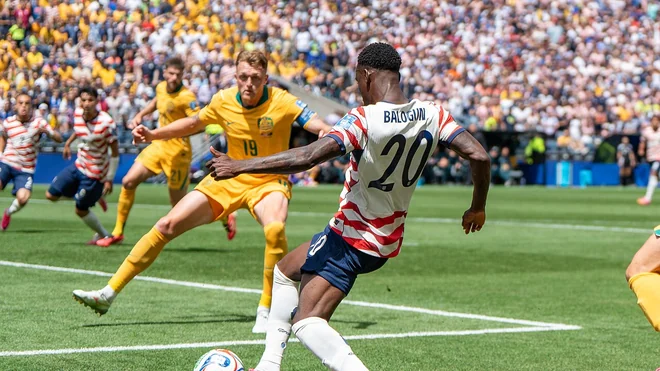
Photo: Wikimedia Commons / CC BY-SA 4.0 / Author: Bryan Berlin
FIFA's decision to suspend the one-game ban handed to Folarin Balogun following his red card against Bosnia and Herzegovina has cast a shadow over the integrity of the 2026 World Cup.
The suspension was lifted after U.S. President Donald Trump reportedly called FIFA president Gianni Infantino to request a review of the decision. This intervention clears the way for Balogun to feature in the USA's last-16 match against Belgium.
The Belgian FA released a statement expressing their astonishment, noting that Article 66.4 of the FIFA Disciplinary Code mandates an automatic suspension for red cards. Belgium coach Rudi Garcia emphasized that the federation is defending the ethics and integrity of football itself.
The lack of an active, transparent appeals process for red cards at this tournament makes the decision particularly concerning. Critics argue that FIFA has set a dangerous precedent, as other prominent players could now realistically expect similar leniency if they commit disciplinary infractions.
This case follows earlier tournament amnesties granted to players like Cristiano Ronaldo, Nicolas Otamendi, and Moises Caicedo. The perception that FIFA favors expediency and star power over consistent disciplinary standards continues to fuel accusations that the organization is susceptible to external political pressure.