What is extra time in soccer? Explaining the knockout stage rule
When a knockout match ends in a draw, an additional 30 minutes of play are required. Here is how the format works.
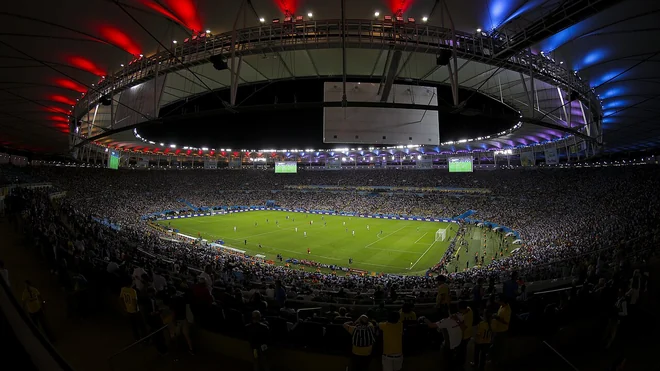
Photo: Wikimedia Commons / CC BY 3.0 / Author: Danilo Borges/ copa2014.gov.br Licença Creative Commons Atribuição 3.0 Brasil
In major soccer tournaments, knockout stage matches that end in a draw after 90 minutes of regulation play proceed to extra time. This consists of an additional 30 minutes, split into two 15-minute halves, designed to determine a winner on the pitch.
During this period, teams switch sides at the midway point, and each side is granted an additional substitution, allowing for a total of six changes across the 120-minute match. If the teams remain level after the extra 30 minutes, the game is decided by a penalty shootout.
It is important to distinguish extra time from stoppage time. Stoppage time is added to the end of each regulation half to compensate for delays such as injuries, substitutions, goal celebrations, or hydration breaks. Extra time, however, is a formal extension of the match used exclusively in elimination phases where a winner must be declared.
The concept has evolved over time, including a brief period of "golden goal" rules in the late 1990s and early 2000s, which FIFA eventually abandoned due to the defensive nature it encouraged. Today, extra time remains a test of physical endurance, often leading to fatigue as players approach two hours of intense competition.