How does annual leave work in football, and what are players entitled to?
An increasingly packed calendar makes it difficult for professional players to secure the time off they are legally entitled to.
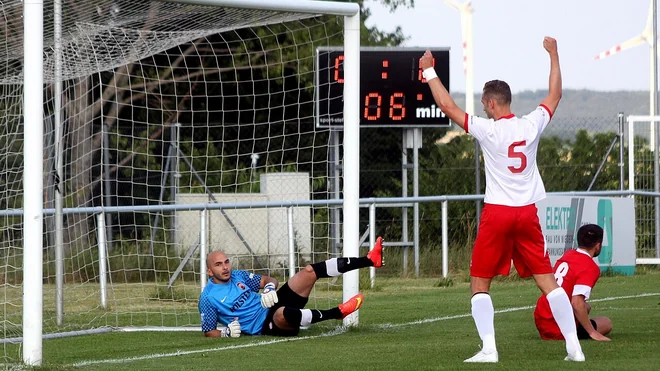
Photo: Wikimedia Commons / CC BY-SA 3.0 / Author: Steindy ( talk ) 22:04, 5 July 2016 (UTC)
With the expansion of international tournaments like the World Cup and the updated Club World Cup, professional footballers face an increasingly demanding schedule. While players are entitled to annual leave, finding time to rest between campaigns is becoming a significant challenge in the modern game.
Legally, footballers are employees and entitled to five weeks of annual leave per year. Contracts typically guarantee at least three consecutive weeks during the off-season, though clubs retain the discretion to deny leave requests during the season. Most players take their full holiday allowance in the period after the campaign ends and before pre-season training begins.
Elite players often face more complex situations due to summer international duties. While they possess the right to three weeks of leave, many choose to return to training early to maintain fitness and impress their managers. Clubs sometimes bridge this gap by granting short, ad-hoc days off throughout the season following match victories or periods of intense scheduling.
Player unions, including FIFPro, are advocating for a mandatory 28-day break between seasons to protect against burnout and injury. They point to other sports, such as Formula 1, which have successfully implemented mandatory shutdown periods for all staff. However, balancing these welfare concerns with the sport's commercial demands remains a difficult task.