The magic of the final matchday: Why group stage games often end in convenient results
An analysis of the phenomenon of 'convenient' draws and outcomes in the final matches of group stages at World Cups and Euros.
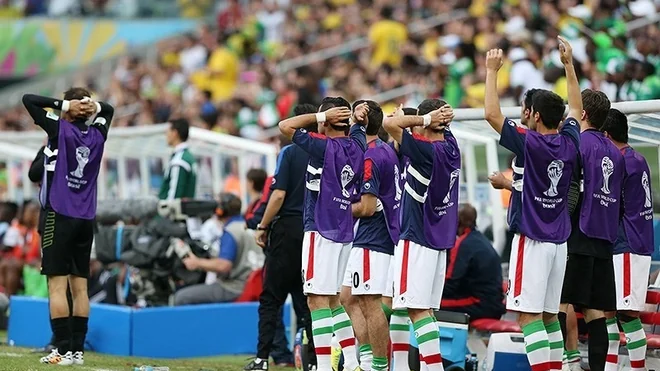
Photo: Wikimedia Commons / CC BY 4.0 / Author: Javid Nikpour
The final matches of the group stage in major tournaments carry a unique reputation. History is filled with examples where teams, satisfied with a specific result, displayed overtly passive play. The most infamous scandal occurred during the 1982 World Cup between West Germany and Austria, where after an early goal, both teams effectively ceased attacking, securing their progression and leaving Algeria out of the tournament.
To counter this, FIFA introduced simultaneous kick-offs for final group games. However, this has only been partially successful. Teams have become more subtle, masking agreements behind the facade of competitive play. The 2004 UEFA European Championship remains a prime example, where a 2-2 draw between Denmark and Sweden allowed both to reach the quarter-finals, eliminating Italy.
The issue is exacerbated when tournament formats allow third-placed teams to qualify. This often leads to manipulation, as teams playing later in the schedule can adjust their performance based on earlier results. Despite changes in tournament structure, the temptation to secure a mutually beneficial outcome remains prevalent.
Recent matchday results confirm this ongoing trend. In groups where teams had realistic paths to progression, we frequently observed cautious football or 'convenient' exchanges of goals, as seen in matches like Japan vs. Sweden or Austria vs. Algeria. Despite the pursuit of fair play, mathematical logic often overrides competitive spirit when a place in the knockout stages is at stake.