The fentanyl crisis unfolding near 2026 World Cup venues
In Vancouver and Seattle, the glamour of the 2026 World Cup contrasts sharply with the ongoing fentanyl crisis affecting local districts.
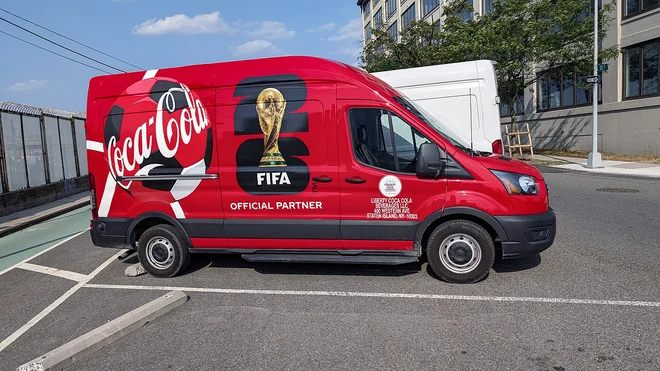
Photo: Wikimedia Commons / CC BY-SA 2.0 / Author: Newell Reinvention
The 2026 FIFA World Cup has brought a wave of excitement to Vancouver and Seattle, yet just blocks away from the stadiums, a sobering reality persists. Local districts such as Vancouver's Downtown Eastside and areas near Seattle's Lumen Field are grappling with a severe fentanyl crisis, creating a jarring juxtaposition against the global tournament's backdrop.
In Vancouver, near the FIFA accreditation center, the visible impact of the opioid epidemic remains a pressing concern. Health officials have highlighted the extreme potency of current street drugs, which are often mixed with dangerous tranquilizers. This complexity makes the local health crisis particularly difficult to manage, with overdose events continuing to rise despite ongoing harm-reduction efforts.
Seattle faces a similar challenge, with neighborhoods like Little Saigon becoming focal points for those struggling with addiction and homelessness. Experts point to the unintended consequences of rapid economic development, which has reduced affordable housing and eroded the social safety net for vulnerable populations. The scale of the crisis has grown significantly over the last decade, with death tolls from synthetic opioids climbing steadily.
As FIFA prepares for massive financial returns from the tournament, local organizers and community leaders are tasked with a difficult challenge: maintaining a world-class experience for visitors while attempting to protect and support the residents caught in these crises. While cities are implementing emergency funding and new policy approaches, the underlying systemic issues remain deep-seated, far removed from the spectacle of the matches.