What we learned from Wales' Nations League window
After a demanding four-game international window, Wales faces questions regarding squad depth and the impact of the new Nations League format.
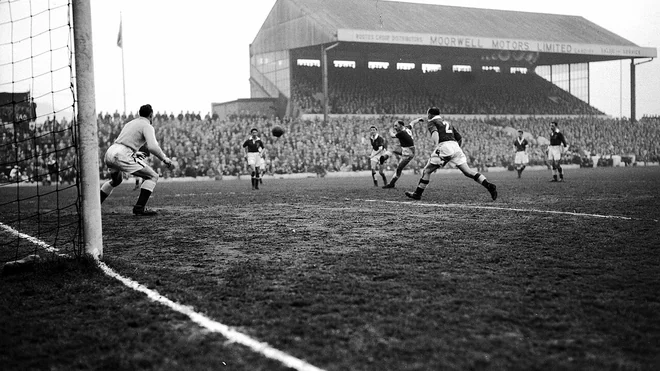
Photo: Wikimedia Commons / CC BY-SA 4.0 / Author: Geoff Charles
Following a challenging return to the top tier of the Nations League, Wales head coach Craig Bellamy admitted the initial four-game window was a tough experience. With three losses against Portugal and Denmark, alongside a win over Norway, the team is currently navigating a steep learning curve.
Bellamy has been vocal about the new format, arguing that the condensed four-game schedule disadvantages smaller nations. The travel and recovery demands left little time for tactical coaching, while untimely injuries to key figures like Harry Wilson and Joe Rodon further stretched the squad. The intensity Bellamy demands of his players was noticeably difficult to maintain throughout the window.
Squad depth remains a significant hurdle. With several key players unavailable, the bench has lacked the experience required to change the course of games at this level. Critics, including former players, have highlighted the reliance on lower-league talent, questioning substitution strategies that left impact players on the bench until late in the Denmark defeat.
On the positive side, Ethan Ampadu has emerged as a standout performer, showing significant growth and maturity. His consistent displays provide a reliable foundation for the future. As Wales looks forward, the focus shifts to November’s final fixtures against Norway and Portugal.
Wales’ goal of remaining in League A is still achievable. Securing a third-place finish would not only avoid relegation to League B but also provide a crucial seeding boost for the Euro 2028 qualifying campaign.