From tiki-taka to verticality: Spain's midfield evolution from 2010 to 2026
A tactical comparison between Spain's historic 2010 midfield and the offensive engine of the 2026 World Cup finalists.
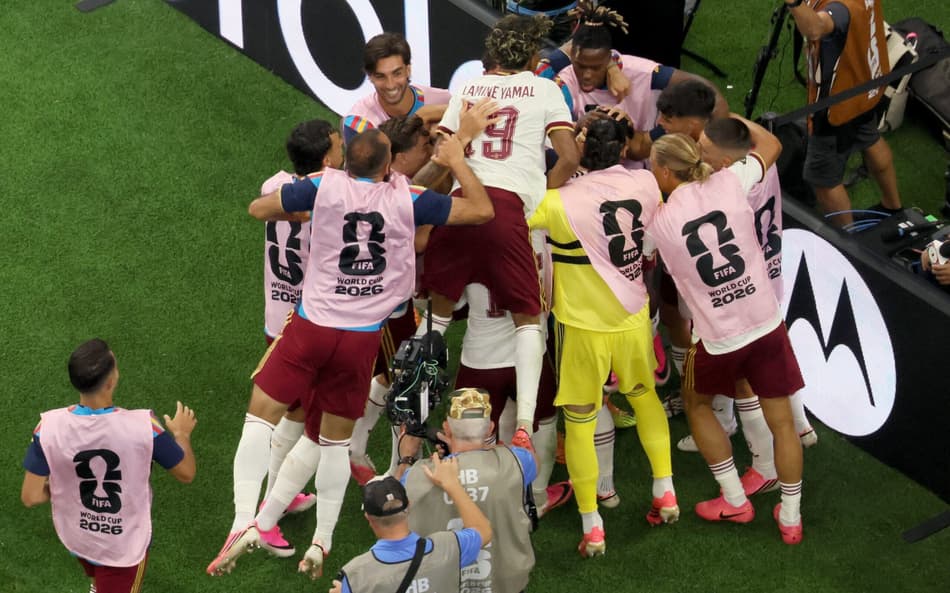
Image generated with Gemini
Spain has reached another World Cup final, and the primary driver of this success remains the same sector that defined the country in 2010: the midfield. However, while the area of control is unchanged, the way the game is practiced has shifted dramatically.
In 2010, the quartet of Sergio Busquets, Xabi Alonso, Xavi Hernández, and Andrés Iniesta, managed by Vicente del Bosque, defined a tactical hegemony through absolute control. Their strategy focused on short passing, with Busquets and Alonso offering defensive stability while Xavi and Iniesta dictated the pace to wear opponents down.
Sixteen years later, Luis de la Fuente has structured a completely different mechanic with the new generation including Rodri, Fabián Ruiz, Dani Olmo, and Lamine Yamal. The current Spanish side does not seek possession for its own sake; it aims to hurt the opposition as quickly as possible.
Spain no longer seeks possession for its own sake; it aims to hurt the opposition as quickly as possible.
Rodri serves as the central anchor, balancing the team, while Fabián Ruiz brings box-to-box dynamism. Dani Olmo has taken on a central creative role, and Lamine Yamal provides explosive speed and one-on-one ability from the wing. While the 2010 side suffocated rivals through patient ball retention, the 2026 unit relies on physical imposition and rapid transitions to create chances in seconds.