England vs Argentina: The history of the Falkland Islands dispute
The dispute over the Falkland Islands remains one of the main sources of tension between England and Argentina beyond the football pitch.
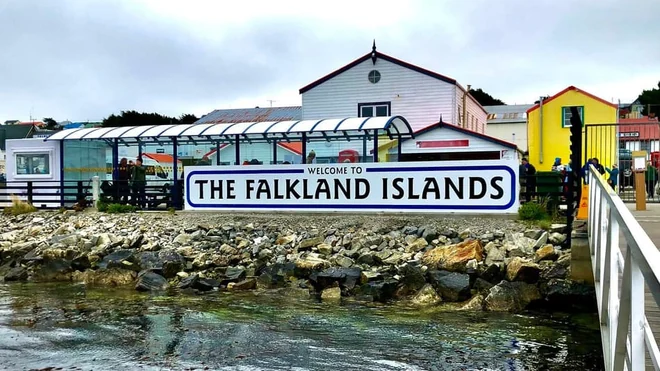
The rivalry between England and Argentina goes far beyond the football pitch. Even before their historic clashes in World Cups, the two countries were locked in one of the most well-known diplomatic conflicts of the 20th century: the dispute over sovereignty of the Falkland Islands, known in Argentina as the Malvinas, located in the South Atlantic.
The territory, situated about 500 kilometers from the coast of Argentine Patagonia, is currently administered by the United Kingdom. Argentina has been claiming sovereignty for nearly two centuries, viewing the British occupation as a legacy of colonialism.
The most significant chapter of the conflict occurred in 1982 during the Falklands War. After 74 days of fighting that resulted in the loss of hundreds of lives on both sides, the United Kingdom maintained control of the archipelago. The United Nations recognizes the existence of the sovereignty dispute and encourages both nations to seek a negotiated solution, though the question of ownership remains unresolved.
This geopolitical tension has deeply influenced the sport. The matches between these nations took on even greater significance four years after the war, during the 1986 World Cup quarterfinals. It was then that Diego Maradona scored two of the most famous goals in football history — the 'Hand of God' and the 'Goal of the Century' — cementing the intensity of this rivalry for generations.