The 'pay-to-play' problem: Why the U.S. youth soccer system hinders national team success
Following the USMNT's World Cup exit, scrutiny has intensified over the country's costly 'pay-to-play' youth development system and its impact on talent discovery.
Tim Heitman / USA TODAY Sports
The USMNT's exit from the 2026 World Cup in the round of 16 has prompted renewed questions about why a nation of 340 million people struggles to compete consistently with smaller, football-obsessed nations. The recurring answer points to the deeply entrenched 'pay-to-play' youth development system.
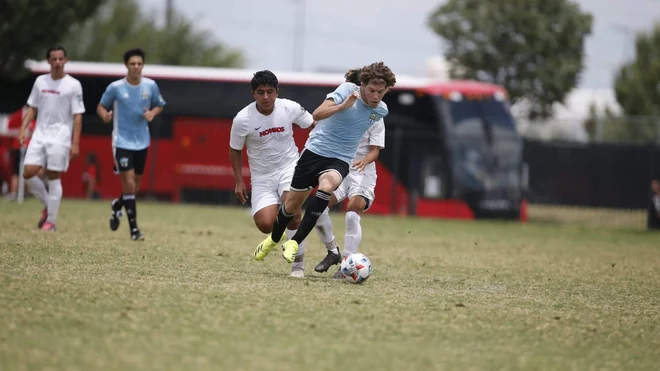
'Pay-to-play' refers to a landscape where families must cover the costs for their children to play competitive soccer. While recreational fees are modest, elite club participation can cost thousands of dollars annually, effectively turning youth soccer into a sport for those with financial privilege rather than a meritocracy based on pure skill.
Tom Farrey, executive director of the Aspen Institute’s Sports & Society program, argues that the current model is fundamentally flawed. 'It’s not a youth-centered or a talent-development system,' Farrey stated. 'It’s primarily a system set up to use kids to make money for adults.' Because youth clubs lack formal links to professional teams, their primary incentive is winning games to maintain their reputation and attract more paying customers, often at the expense of individual player development.
Unlike in Europe or South America, where youth soccer is often subsidized by professional clubs or governments, the U.S. relies on a deregulated, market-driven approach. This has fueled a massive 'youth sports tourism' industry, where travel costs for tournaments have become the single largest financial burden for families. While MLS academies are moving toward free-to-play models for top prospects, they operate within a broader, disjointed ecosystem that remains expensive.
U.S. Soccer officials have been actively discussing reforms and consulting with FIFA to create a more coherent pathway. However, as the industry continues to grow and private equity becomes more involved, the cost barrier persists, potentially excluding millions of children from the sport and narrowing the talent pool available for the national team.