Foodchained, alpha targets and bombas: Explaining the new transfer jargon
The 2026 summer window saw £3.5bn in spending and a wave of creative new terminology to describe the chaos.
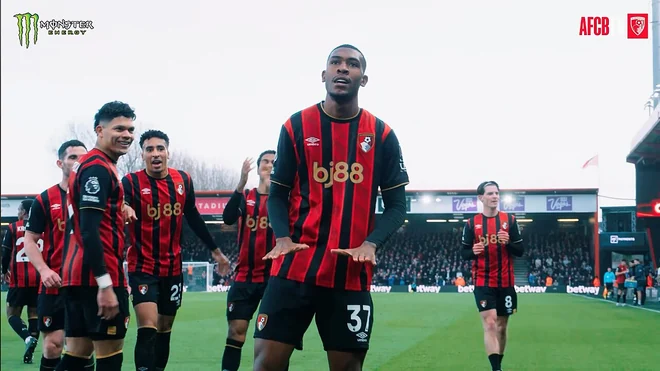
Photo: Wikimedia Commons / CC BY 4.0 / Author: AFC Bournemouth
This summer, Premier League clubs spent a staggering £3.5 billion. With this influx of cash came a fresh wave of jargon used by insiders, managers, and fans to describe the frantic nature of the 2026 transfer window.
The term 'bomba' was popularized by Tottenham Hotspur head coach Roberto De Zerbi. In his view, a 'bomba' is a top-level player capable of making a massive impact. The Italian manager used the label for high-profile signings like Sandro Tonali and Mateus Fernandes.
Meanwhile, 'foodchained' describes the power dynamic when a player leaves for a club with greater financial pull. It is often used humorously on social media; for instance, when Manchester City signed Iliman Ndiaye after he had already reached an agreement with Everton, it was framed as City 'foodchaining' Spurs.
Clubs also chased 'alpha' targets. Newcastle United used this label for Matias Fernandez-Pardo, signifying a player the club had tracked for a long time but initially deemed unattainable. Elsewhere, Sunderland coined 're-hijack' after they had to fight off Crystal Palace for Lyon forward Malick Fofana, despite having an agreement already in place.
Finally, the '2.0' label has emerged as a way to frame a complete squad reshuffle. Newcastle CEO David Hopkinson used the term to describe the team under new head coach Matthias Jaissle, helping to maintain morale following the departure of several key players.