Europe is dominating another World Cup. That does not look like changing anytime soon
With six of the eight quarter-finalists coming from Europe, the continent's grip on the world game remains as tight as ever.
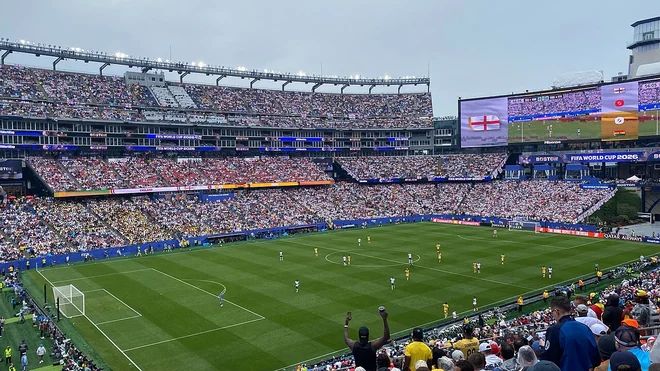
Photo: Wikimedia Commons / CC BY 4.0 / Author: Zakarie Faibis
The 2026 World Cup has once again highlighted a long-standing tradition: European dominance in global football. With six of the eight remaining sides coming from Europe, the expected decline of the continent's traditional powers has failed to materialize. Despite the narrative that the global game is shifting, the knockout stages demonstrate that Europe maintains a firm grip on the sport.
A critical factor behind this trend is the reliance of non-European nations on European-born talent. Many squads from Africa and Concacaf feature a high percentage of players who were born and developed in Europe. For instance, teams like DR Congo, Algeria, and Cape Verde have integrated significant numbers of European-developed players, reflecting the reach of European youth academies and infrastructure.
While traditional powerhouses like Brazil, Germany, and Italy have faced early exits, this has not opened the door for a new guard. Asian teams have struggled to break the knockout barrier, and other nations have failed to sustain their development. The combination of elite European youth systems and high-quality tournament structures, such as the Nations League, continues to give European nations a competitive edge that other confederations struggle to replicate.