Cornish roots: How UK miners brought football to Mexico
As Mexico prepares for the 2026 World Cup, we explore the unique history of Pachuca, the club founded by miners from Cornwall.
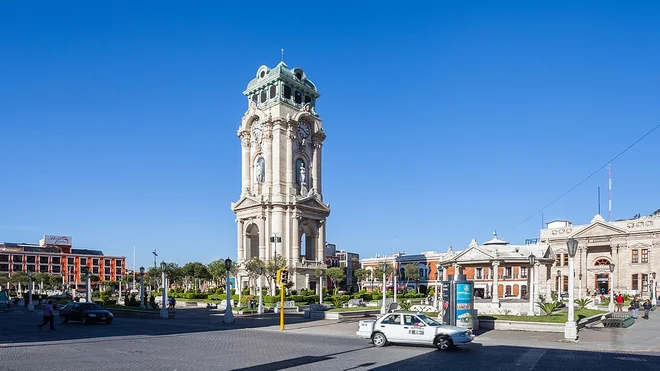
Photo: Wikimedia Commons / CC BY-SA 3.0 / Author: Diego Delso
As Mexico prepares to co-host the World Cup for the third time, fans of Pachuca continue to pay homage to their unique origins. Inside their stadium, supporters wave flags featuring the Cornish cross and display tifos of miners wielding tools alongside traditional Cornish pasties, celebrating the deep ties between the Mexican state of Hidalgo and the English county of Cornwall.
The transatlantic connection began in 1824 when British mining engineer John Taylor arrived in Mexico to help revitalize the mining sector. Hundreds of Cornishmen migrated to the region, bringing with them their culture and sporting traditions. While the first organized teams were focused on cricket, football clubs soon emerged from these groups, with the original Pachuca entity being formed in 1895.
The cultural exchange was profound; Cornish pasties became a staple at matchdays, known locally as 'pastes', and are still a beloved tradition in the region today. The constant movement of workers between the two regions was such that Spanish was reportedly heard as frequently as English in parts of Cornwall, while Mexican customs were brought back to England by returning workers.
Although the original club faced several reorganizations and folding periods during the 20th century, the modern version of the club has achieved significant success, winning multiple league titles. The club's nickname, 'Los Tuzos' or 'the gophers', serves as a lasting nod to their mining heritage, ensuring the history remains central to their identity.