Claudio Ranieri on Italian football reform: From child psychologists to tennis-inspired training
Claudio Ranieri presents his vision for Italian football, emphasizing grassroots development and better pathways for young talent.
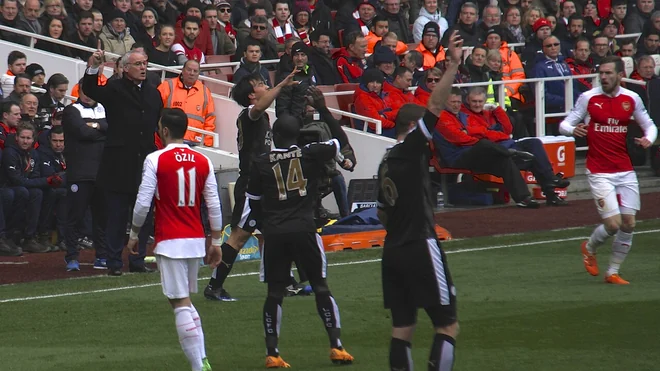
Photo: Wikimedia Commons / CC BY 2.0 / Author: Ronnie Macdonald from Chelmsford and Largs, United Kingdom
Claudio Ranieri has outlined his priorities for the future of Italian football, identifying two major areas that require urgent improvement: the grassroots sector for children aged five to thirteen, and the transition phase for young players aged 18 to 21 who often struggle to enter the professional game after graduating from the Primavera.
Ranieri believes that the grassroots level needs more than just football coaches; it requires psychopedagogical programs supported by qualified professionals. He argues that children in early development stages need specialized guidance to foster their passion and skills, as the football-only approach is insufficient for the specific psychological needs of young children.
Regarding older youth players, Ranieri suggests that clubs in Serie B and Serie C should be incentivized to provide more playing time for youngsters, similar to the existing models in Serie C. He advocates for institutional and governmental support to help young players progress gradually rather than getting stuck in the bottleneck that currently exists after the Primavera level.
Addressing the plans previously discussed by figures like Paolo Maldini and Leonardo, Ranieri stated that he has not read their proposals, preferring to pursue his own vision based on his experience. He pointed to tennis as a model for coaching qualification and development. Ranieri rejected the notion of a specific 'Ranieri method,' instead calling for a return to traditional Italian strengths, with a renewed focus on the child's development at the center of the football project.