Como vs Manchester United: Two worlds of financial management
Manchester United's 4-1 defeat to Como highlighted the gap between the chaotic spending of the English side and the clear, strategic project of the Italian club.
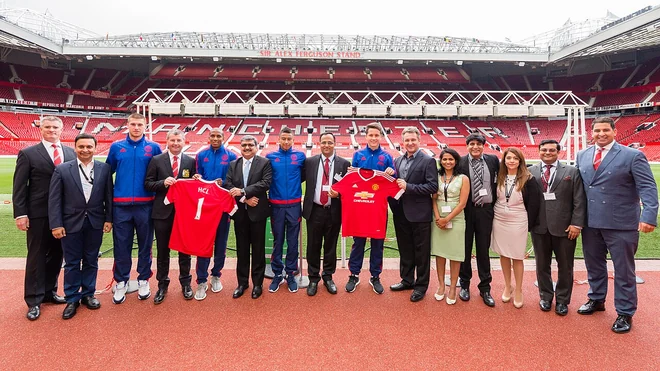
Photo: Wikimedia Commons / CC BY-SA 3.0 / Author: TheGarvitGupta
A historic night by the lakeside ended in a crushing 4-1 defeat for Manchester United against Como. This result was more than just a statistic; it was a vivid illustration of how divergent approaches to finance and squad building define success in modern football.
For the English giants, this marked their first away loss to an Italian side since 2007. Back then, Sir Alex Ferguson was at the helm, a far cry from the club's current state. Since Ferguson’s departure in 2013, the Red Devils have spent over 2.6 billion euros on transfers. Despite this, their return on investment is meager, featuring only one Europa League title and a consistent failure to challenge for the Premier League crown.
In stark contrast sits Como, a club playing in the lower divisions just a few years ago. Under Cesc Fabregas, the club has invested approximately 340 million euros across four transfer windows. The difference lies in philosophy: the Italians built their squad around a specific vision, signing players to fit a defined style, whereas United accumulated big names without a cohesive tactical direction.
Nico Paz, who scored twice in the match, is the perfect example of this success. Signed for around 6 million euros, he became the heartbeat of Como's system. Meanwhile, United remains burdened by past mistakes, with 405 million euros still owed in overdue installments for players who no longer feature in their plans.
Money is a prerequisite, not a plan. Those with a plan turn it into a team. Those without one turn it into installments to pay and regrets on the balance sheet. Cesc Fabregas
This match served as a stark reminder that football success requires strategic intelligence rather than just massive budgets. As Como continues to grow, Manchester United remains a cautionary tale, trapped in a model where transfer fees do not guarantee quality on the pitch.