The History of Brazil's Lost Football Stadiums
From historical fields to modern arenas: discover 20 legendary Brazilian stadiums that have vanished from the football map.
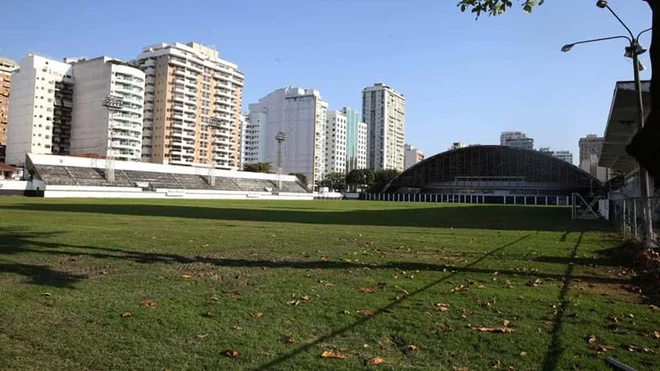
Football stadiums in Brazil are much more than just concrete structures; they are urban lungs that breathe the history of entire neighborhoods and cities. Over the last century, the country has witnessed the birth and death of numerous sports venues that shaped the identity of the "country of football."
Urbanization, real estate speculation, and the constant need for modernization under "FIFA Standards" have led to the demolition of many historical temples. Some were replaced by high-end residential developments, while others vanished as cities expanded, leaving only memories for older fans.
The disappearance of these stadiums has taken various forms. Some, like the old Fonte Nova or Verdão, were completely leveled to make way for modern multipurpose arenas for the 2014 World Cup. Others, such as the Rua Paysandu stadium, the first home of Flamengo, succumbed to urban growth as early as the early 20th century.
The list of 20 iconic arenas that no longer exist includes legendary sites like the General Severiano stadium once owned by Botafogo, or the Eucaliptos stadium, which hosted Internacional. Preserving the memory of these sites is essential for historians, as these fields served as the foundation upon which Brazilian football was built.