Women's Super League: Does the WSL have a homegrown problem?
London City Lionesses fielded no English players in their starting XI against Manchester United, sparking a debate over the development of local talent in the WSL.
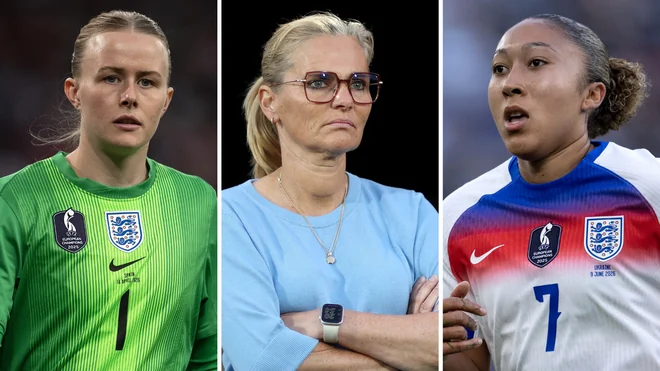
When London City Lionesses defeated Manchester United in the 2025-26 season opener, the match made history for the wrong reasons. For the first time in the Women's Super League, a side named a starting XI without a single English player. This wasn't an isolated incident; days later, Tottenham fielded only one British player in their win over West Ham.
These events highlight the WSL's global appeal as it cements its status as a world-class league. However, this influx of international talent has raised concerns about the impact on homegrown players and the home nations. While the league's quality has improved, critics argue that the pathway for young domestic talent is being obstructed.
A decade ago, Manchester City claimed the title with an all-British starting line-up. Since then, the professionalisation of the game and increased revenues have allowed clubs to scout globally, recruiting heavily from Europe, Japan, and Australia. Birmingham City manager Amy Merricks noted that while this talent is necessary for growth, it unfortunately blocks opportunities for local youngsters.
The data reflects this shift, with the proportion of homegrown starters in the WSL falling to under a third over the past three seasons. This trend contrasts with major European leagues in France, Germany, and Spain, where national players maintain a much higher percentage of starting roles. Club managers, however, maintain that their primary responsibility is to select the team best capable of winning.
The situation presents a significant challenge for the England national team, which has struggled to integrate new faces into a squad that has remained largely unchanged for several years. With England failing to secure automatic qualification for the 2027 World Cup, the focus on developing new talent has intensified. To address this, the FA has approved plans for WSL academy sides to compete in the National League from 2027-28, aiming to provide the competitive minutes young English players currently lack.