Why Premier League clubs are playing non-standard friendly matches
English clubs are increasingly opting for non-90-minute friendlies during pre-season, a strategic move designed to manage player fitness and squad integration effectively.
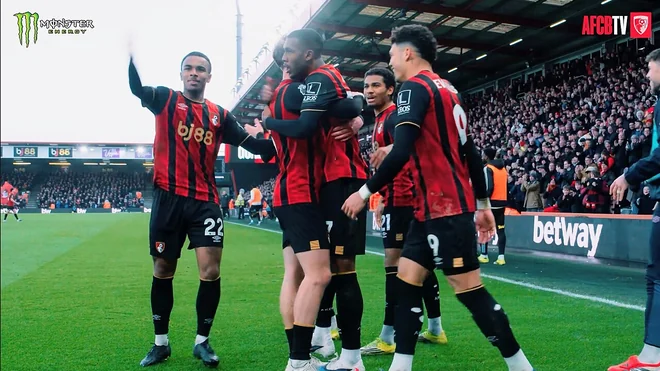
Photo: Wikimedia Commons / CC BY 4.0 / Author: AFC Bournemouth
During this pre-season, football fans have noticed a recurring trend: matches lasting 60 minutes, three-half fixtures, and tournaments consisting of 45-minute games. While these formats might seem like gimmicks to the casual observer, they are a deliberate strategic tool for Premier League clubs.
The primary driver behind these unusual durations is the need for high-intensity, controlled physical loading. Performance experts explain that 90-minute matches early in the summer are not always optimal for building a squad's fitness. Coaches aim to balance game time across the entire squad, ensuring that players who aren't in the immediate starting XI still receive match-condition intensity without the risks associated with sudden, excessive volume.
The modern game, which allows for five substitutions in official competitions, has shifted the requirement for managers. Clubs now need a deeper pool of players physically capable of performing for 60 minutes rather than relying solely on a fixed group of starters. These shorter, more frequent match scenarios allow staff to monitor data closely and adjust training loads accordingly.
Ultimately, these variations are just one of many ways to prepare for the season. As the campaign nears, the focus naturally shifts away from these bespoke formats toward the standard match demands. Regardless of the pre-season method, the consensus among specialists is that true match fitness is only fully realized several games into the competitive season.