The psychological edge: Why James Trafford stands out
Following his extraordinary double save against Spain, James Trafford showed the mental discipline that sets elite goalkeepers apart from outfield players.
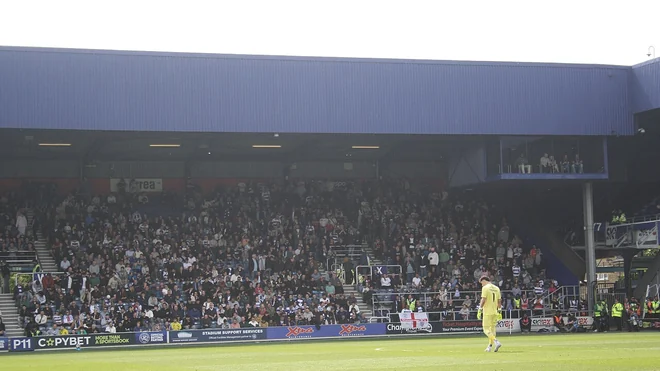
Photo: Wikimedia Commons / CC0 / Author: Timmy96
On Sunday evening, Leeds United goalkeeper James Trafford produced an extraordinary double save in stoppage time against Spain. However, the most impressive part of the sequence was not the save itself, but his immediate response. While teammate Ezri Konsa was caught up in the emotion of the celebration, Trafford was already focused on the next action.
This contrast highlights the fundamental difference in psychological demands between goalkeepers and outfield players. While his teammates could afford to experience the full emotion of a game-changing intervention, Trafford could not. His responsibility remained constant, as the pressure from Spain persisted and every subsequent decision required absolute focus.
This is not the first time the 24-year-old has displayed such composure. Following Elliot Anderson’s red card in the 63rd minute, the game dynamic shifted significantly. Trafford was forced to make six saves in the final half-hour, maintaining his concentration despite the mounting pressure as England navigated the final stages with 10 men.
It is worth noting that just two weeks prior, Trafford faced scrutiny following a costly error against Bournemouth. His ability to move past that mistake and return to such a high level underscores the mental discipline required in his position. For a goalkeeper, a career is rarely defined by one error, but by the capacity to reset and continue with conviction.
With Jordan Pickford approaching the later stages of his international career, Trafford is positioning himself as a serious successor. Performances like the one in Madrid, delivered under intense pressure, are significant steps in proving his readiness for the No 1 spot.